Automating billing transforms field service operations from a chaotic administrative burden into a predictable, touchless financial engine, but only about 36% of companies have made the leap. Manual invoicing, paper receipts, and delayed payments stall cash flow and drain field resources. Modern service platforms eliminate these operational bottlenecks by connecting job completion directly to payment collection.
The Hidden Cost of Manual Billing
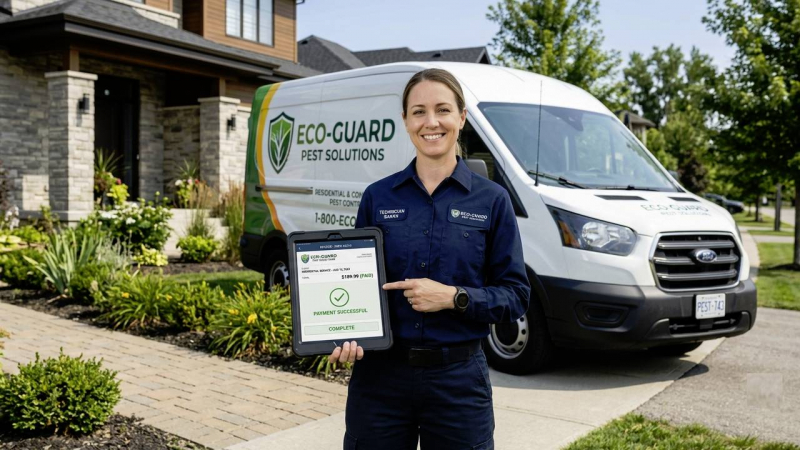
Field technicians can struggle with back-office paperwork across the service industry. The result is hundreds of hours lost every week to manual data entry, missed invoices, and chasing past-due balances.
Operational research by the Institute of Financial and Management (IOFM) indicates that 39% of manually processed invoices contain human errors, leading to delayed collections, disputed charges, and unhappy customers. For home service contractors, these errors mean field technicians spend time fixing administrative mistakes instead of completing revenue-generating jobs.
Manual payment processing forces business owners into an endless cycle of chasing checks and re-keying payment data. Transitioning to automated payment gateways, which have evolved in the past decade, removes human intervention from routine billing tasks, ensuring every completed job triggers an instant, accurate invoice.
Streamlining Service Operations with Integrated Software
Modern automation connects every stage of the customer lifecycle, from initial scheduling to final payment processing. When a field technician completes a service call, the software updates job notes, calculates total charges, and sends the customer an invoice in real time.
Specialized trade businesses require tailored billing solutions that manage complex recurring services, flexible payment structures, and detailed customer records. Implementing dedicated invoicing and accounting software for pest control businesses allows technicians to capture customer signatures, process payments on-site, and sync transaction details directly to back-office accounting platforms, for instance. Looking for niche-specific tools is advised, whatever home service category you cater to.
Automating these administrative tasks produces clear operational improvements across the entire business structure.
- Elimination of manual data entry errors between field reports and accounting records
- Immediate payment collection via mobile card processing and saved payment profiles
Integrated platforms keep bank balances updated without requiring hours of manual reconciliation every evening.
Accelerating Cash Flow and Reducing Late Payments
Cash flow bottlenecks are an issue for 82% of small businesses, and they often stem from friction in the payment collection process rather than a lack of billable work. Delivering invoices electronically via text or email with integrated payment links drastically shortens the billing cycle.
Industry studies cited by Relayfi reveal that 68% of service professionals experience direct revenue growth after introducing automated scheduling and customer invoicing. Giving customers the option to pay instantly via credit card, Apple Pay, or automated ACH transfers eliminates the delays associated with paper checks.
Automated payment reminders handle routine payment chasing without risking customer relationships. Business owners can configure automated notification schedules that nudge customers before and after due dates, dramatically reducing outstanding accounts receivable.
Modern finance teams leverage advanced invoice automation to handle routine exceptions and process payments without manual review, as detailed in recent accounts payable invoice automation insights from Forrester. Touchless workflows ensure payments post immediately, keeping operational capital liquid and predictable.
Scaling Home Service Operations through Modern Payment Tech
Scaling a home service enterprise requires operational systems that handle expanding customer volumes without requiring proportional administrative hires. Automation gives service businesses the back-office efficiency required to grow sustainably while maintaining strong customer relationships.
Transitioning to automated billing frameworks allows home service managers to focus on technician productivity, service quality, and market expansion. Exploring field management guides provides actionable frameworks for selecting software platforms that optimize payment processing and streamline daily operations. We’ve got lots more business-focused posts on our blog, so keep reading if you have other questions or challenges.
Post Comment
Share your thoughts about this article.
Be the first to post a comment!