Choosing the best age verification software involves much more than comparing feature lists. Although many vendors claim to prevent underage access, they often rely on very different technologies, and those differences determine how confidently they can verify a person's age.
Some platforms estimate age from a selfie, while others verify a user's exact date of birth by authenticating a government-issued identity document. Many providers combine multiple verification methods to balance convenience, fraud prevention, and regulatory compliance.
This guide explains the main approaches to age assurance before comparing the best age verification software providers. Rather than ranking vendors based on marketing claims, it focuses on the technologies behind each solution, the level of assurance they provide, and the business scenarios they are best equipped to support. Whether you need frictionless age estimation or robust identity verification for regulated industries, this overview will help you identify the right solution for your requirements.
What Is Age Verification Software?
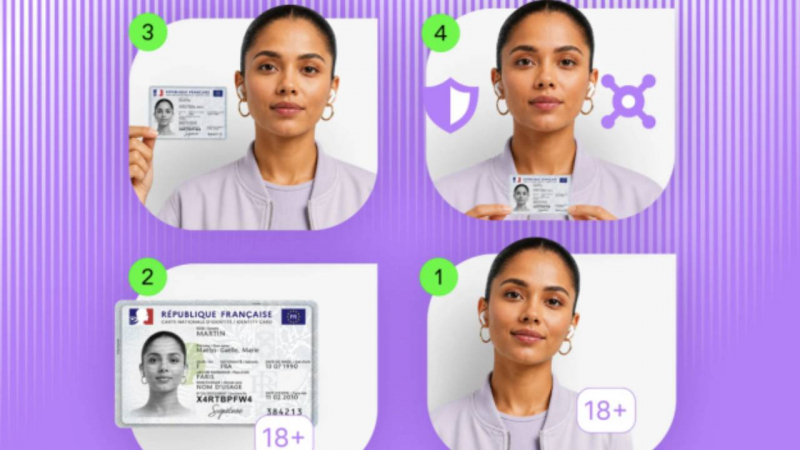
Age verification software enables organizations to confirm that users meet a required age threshold before granting access to age-restricted products, services, or content. The level of assurance depends on the verification method used.
Document-Based Age Verification
Document-based verification confirms a user's age by authenticating a government-issued identity document and validating the date of birth it contains. Because it relies on official identity data, this approach offers a high level of confidence and is widely used in regulated industries such as financial services, gaming, and digital marketplaces.
The primary trade-off is additional user interaction, as customers must capture and submit an identity document.
Biometric Age Estimation
Biometric age estimation uses artificial intelligence to predict a person's age from a selfie or short video. Since no identity document is required, the process is faster and creates a smoother user experience.
However, age estimation does not verify a person's identity or confirm their exact date of birth. Instead, it provides a probability that an individual falls above or below a specified age threshold.
Layered Age Assurance
Many organizations combine multiple verification methods within a single workflow.
A common approach begins with frictionless age estimation and requests stronger evidence only when necessary. Depending on the confidence score or risk level, additional checks may include document verification, biometric face matching, liveness detection, or manual review.
This risk-based model reduces friction for legitimate users while increasing assurance whenever additional verification is required.
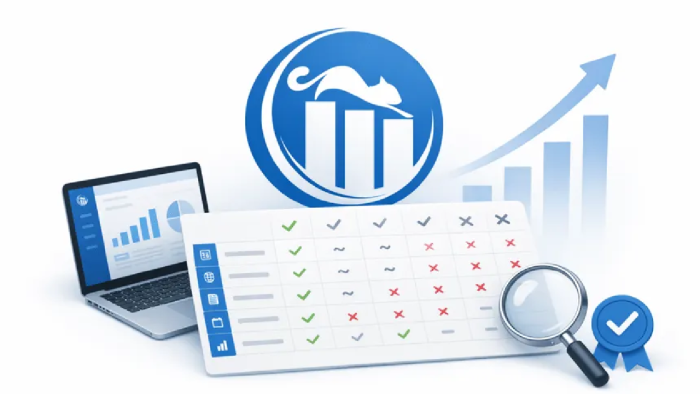
Best Age Verification Software at a Glance
There is no universal "best" age verification solution. The right choice depends on regulatory obligations, acceptable risk levels, user experience goals, and deployment requirements.
Rather than comparing marketing claims, organizations should evaluate providers based on the technologies they offer, the flexibility of their verification workflows, and the level of evidence each solution can provide.
| Provider | Primary Approach | Best Suited For |
| Regula | Biometric age estimation, document verification | Organizations that need flexible age assurance, from selfie-based estimation to high-assurance document verification with biometric matching and liveness detection. |
| FaceTec | Biometric age estimation | Businesses prioritizing advanced facial biometrics from a specialist technology provider. |
| Incode | Biometric age estimation, document verification | Companies seeking adaptive, low-friction customer onboarding workflows. |
| Yoti | Biometric age estimation, digital identity, reusable proof of age | Organizations emphasizing privacy-preserving age verification with minimal identity data collection. |
| Jumio | Biometric age estimation, document verification | Regulated businesses requiring document-centric identity verification with biometric authentication. |
| Entrust | Biometric age estimation, document verification | Enterprises integrating age assurance into broader identity and credential management ecosystems. |
| Identomat | Biometric age estimation, document verification | Organizations looking for straightforward, auditable document-based age verification. |
| iDenfy | Biometric age estimation, document verification | Businesses adding configurable age verification to existing customer journeys. |
Who Develops Biometric Technology?
Not every age verification provider develops the biometric technology that powers its solution.
Some vendors build their own facial recognition, liveness detection, and age estimation algorithms. Others integrate biometric technologies from specialist providers into a broader identity verification platform.
Neither approach is inherently better. However, understanding where the underlying technology originates can help organizations assess factors such as product roadmap, deployment flexibility, update cycles, customization options, and vendor independence.
For example, Regula develops both its document verification and biometric technologies in-house, allowing organizations to combine age estimation, document authentication, biometric face matching, and liveness detection within a single platform. Other providers, including iDenfy, Entrust, and Yoti combine proprietary capabilities with third-party technologies for certain components of their age assurance solutions.
Regula
Regula ranked among the top performers in the NIST Facial Age Estimation (FATE) evaluations, placing in the top three for both the Challenge 25 and Child Online Safety scenarios.
The platform supports multiple age assurance strategies, allowing organizations to tailor verification to different levels of risk and regulatory requirements. Businesses can deploy selfie-based age estimation for low-friction onboarding, verify an authenticated date of birth using a government-issued identity document, or combine both methods with biometric face matching and liveness detection.
Through the Regula Identity Verification Platform, verification workflows can be configured according to business rules, jurisdiction-specific regulations, customer risk profiles, or product requirements.
A distinguishing aspect of Regula's approach is that it evaluates not only a user's age but also the reliability of the evidence used to determine it. Instead of accepting an extracted date of birth or an estimated age at face value, the platform validates the authenticity and consistency of every verification signal.
This includes authenticating identity documents, confirming that the selfie belongs to a live person, matching the selfie to the portrait on the ID, and cross-checking information across multiple sources.
One example is document portrait age consistency analysis. The platform estimates the apparent age of the photograph printed on an identity document and compares it with both the recorded date of birth and the document's issuance date. This additional validation layer can help detect document substitution, fraudulent identity use, or inconsistencies that might otherwise go unnoticed.
These capabilities are built on Regula's proprietary document authentication technologies, biometric algorithms, document template database, and decades of expertise in identity document forensics.
Capabilities
● Selfie-based age estimation and document-based age verification
● Adaptive step-up verification workflows
● Government ID authentication and date-of-birth extraction
● Biometric face matching and liveness detection
● Configurable age thresholds (13+, 16+, 18+, 21+, 25+, or custom rules)
● Support for more than 16,000 document templates from 254 countries and territories
● Cloud, on-premises, hybrid, Docker, API, and SDK deployment
FaceTec
FaceTec specializes in facial biometrics rather than offering a complete identity verification platform.
Its age assurance capabilities are built around the company's 3D FaceMap technology, which creates a three-dimensional facial model from a short video selfie captured with a standard device camera.
The same biometric session supports liveness detection, facial recognition, and anonymous age estimation without necessarily requiring an identity document. Organizations that require full identity verification typically integrate FaceTec with third-party document verification and workflow orchestration solutions.
Capabilities
● Anonymous or document-assisted age estimation
● 3D FaceMaps and facial recognition
● Liveness detection and anti-spoofing
● Biometric onboarding and returning-user authentication
● SDKs for web, Android, and iOS
Incode
Incode participates in NIST's Facial Age Estimation evaluations. Because benchmark rankings change over time, organizations should review the latest published results when comparing providers.
The platform follows a progressive verification model, starting with the least intrusive verification method and requesting additional evidence only when higher assurance is required.
Users can first complete a selfie-based age estimation check. When necessary, Incode verifies government-issued identity documents, validates document authenticity, matches the selfie to the document portrait, and can compare date-of-birth information with trusted external or customer-owned data sources.
Capabilities
● Facial age estimation
● Government ID verification
● Date-of-birth validation
● Face matching and liveness detection
● Adaptive verification workflows
● APIs and mobile/web SDKs
Yoti
Yoti focuses on privacy-preserving age assurance by minimizing the amount of personal information collected during verification.
Its best-known capability is facial age estimation, allowing organizations to determine whether users are likely above a required age threshold without collecting identity documents in most cases.
This approach is commonly used by online communities, social platforms, retailers, and adult-content providers where confirming age is more important than verifying legal identity.
Capabilities
● Facial age estimation
● Digital identity and reusable proof-of-age credentials
● Identity document verification
● Liveness detection and anti-spoofing
● APIs and SDKs
Jumio
Jumio combines biometric age estimation with document-centric identity verification.
Organizations can use facial age estimation as an initial screening step before escalating users who appear close to the required age threshold to full document verification.
The platform authenticates government-issued IDs, extracts and validates the date of birth, compares the user's selfie with the document portrait, and performs liveness detection. For returning customers, Jumio also supports ongoing authentication against previously verified identity records.
Capabilities
● Document-based age verification
● Optional facial age estimation
● Date-of-birth extraction
● Face matching and liveness detection
● Support for more than 5,000 identity document types
Entrust
Entrust offers age verification as part of its broader identity orchestration platform.
Its solution combines document verification, OCR-based date-of-birth extraction, facial biometrics, trusted data-source validation, and Workflow Studio for creating market-specific verification journeys.
Organizations can configure different verification paths based on geography, regulation, or risk rather than applying the same process to every user.
Capabilities
● Government ID verification
● Facial biometrics and liveness detection
● Fraud and tamper detection
● No-code workflow automation
● Support for more than 2,500 document types worldwide
Identomat
Identomat focuses on document-based age verification through straightforward verification workflows.
The platform validates government-issued identity documents, extracts the recorded date of birth, and returns a pass-or-fail age verification result. Organizations can optionally add liveness detection to strengthen assurance while keeping the overall user journey relatively simple.
Capabilities
● Government ID verification
● Date-of-birth extraction
● Document authenticity checks
● Optional liveness detection
● APIs and SDKs supporting more than 193 countries
iDenfy
iDenfy serves industries such as iGaming, online dating, alcohol sales, tobacco, vaping, and cannabis, where age verification is a regulatory requirement.
The platform emphasizes ease of deployment, allowing organizations to configure age thresholds through the dashboard or API rather than building custom verification logic.
Verification combines document authentication, biometric face matching, and liveness detection to determine whether users meet the required age threshold.
Capabilities
● Government ID verification
● Face matching and liveness detection
● Configurable age thresholds
● API, SDK, plugin, iFrame, and direct-link integrations
How to Choose the Right Age Verification Software
Selecting an age verification solution ultimately comes down to balancing assurance with user experience.
The first step is defining the decision your organization needs to support. Is it enough to establish that someone is likely above a certain age, or do you need to verify an exact date of birth from an authenticated identity document? What level of fraud risk is acceptable? Could someone gain access by presenting another person's ID? Will verification requirements vary across countries, products, or customer segments?
The answers to these questions determine the most appropriate verification strategy.
Lower-risk use cases may only require biometric age estimation, while regulated industries often need document verification supported by biometric face matching, liveness detection, and adaptive step-up workflows.
Rather than looking for a single "best" solution, organizations should evaluate providers based on the evidence they can generate, the flexibility of their verification workflows, and their ability to meet applicable regulatory and business requirements.
If you're assessing age verification for a specific use case, Regula can help determine the most appropriate approach based on your document landscape, fraud risks, deployment model, and compliance obligations.
Post Comment
Share your thoughts about this article.
Be the first to post a comment!