Table of Content
Every e-commerce founder knows the story of the store that hit two million dollars on instinct and then stalled there for two years running. The product didn't get worse, and the ads didn't get more expensive. What broke was the operation behind both, the daily discipline customers never see, and investors rarely ask about on a good quarter.
I've watched a lot of stores clear seven figures, and then plateau, and the pattern has almost nothing to do with what they sell. It shows up in who's scheduled to work on a Tuesday, how a new hire spends their first week, and whether anyone actually knows what a product costs to ship before it's priced. Five habits separate the teams still climbing from the ones stuck repeating last year's numbers.
The Habits That Actually Move the Needle
The same five patterns kept showing up, regardless of what the store actually sold.
They staff to the demand curve, not the calendar
Most warehouses and support desks run on the same weekly template regardless of what's actually shipping that week, which is how Fridays end up short-handed and Tuesdays end up overstaffed. Staff scheduling software that pulls from real order history closes that gap before a rush catches the floor understaffed.
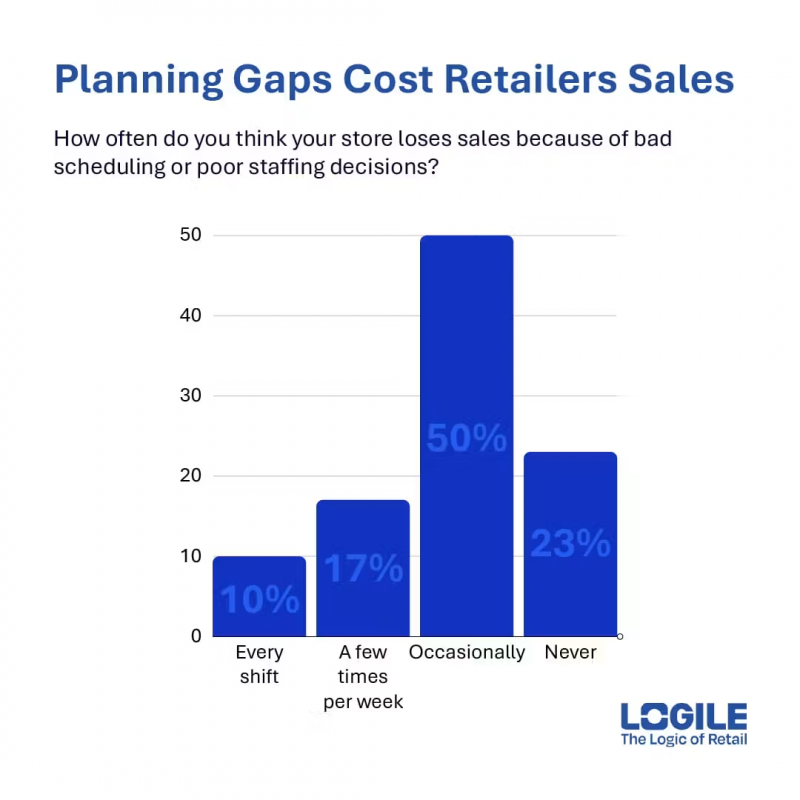
77% of retail store associates say their store regularly loses sales to poor staffing or scheduling decisions, according to Logile's 2025 survey of 500 U.S. retail workers. The same mismatch plays out in a fulfilment centre or a support queue, just with a shipping deadline standing in for a customer at the register.
Fixing it rarely means adding more hours. It means matching the hours already budgeted to when orders actually arrive, then checking that match often enough to catch drift before a weekend selling event exposes it. Pairing the schedule with real-time tracking software shows within days whether the plan matches what actually happened on the floor.
They train someone before a live order touches their hands
A new hire's first mistake on a live order costs more than the training session that would have prevented it, once refunds, a bad review, and a manager's afternoon get added up. Solid employee training before anyone touches a real queue is the cheaper option every time, yet it's usually the first thing cut when a season gets busy.
UKG's 2024 global study of nearly 13,000 frontline workers and managers found that 58% see ongoing learning as important to their growth, while 30% spend less than an hour a month actually doing it. That gap is the tell. Companies that close it usually aren't spending more; they've just stopped letting a new hire's first week compete with the day's order volume.
The pattern repeats in e-commerce specifically. A support agent who hasn't seen the return policy walks a refund the wrong way, and a warehouse picker who skipped induction mispacks an order that costs more to fix afterward than it would have cost to prevent.
They stop trying to own every physical process
Plenty of stores still hold inventory and chase production for SKUs that never needed in-house ownership, tying up cash and shelf space for items nobody special-orders. A merch drop makes the case clearly: a custom crewneck sweatshirt doesn't require buying blanks, finding a printer, or storing boxes of unsold mediums. Print-on-demand services like Printful and Printify exist so a team can list a product without ever touching it.
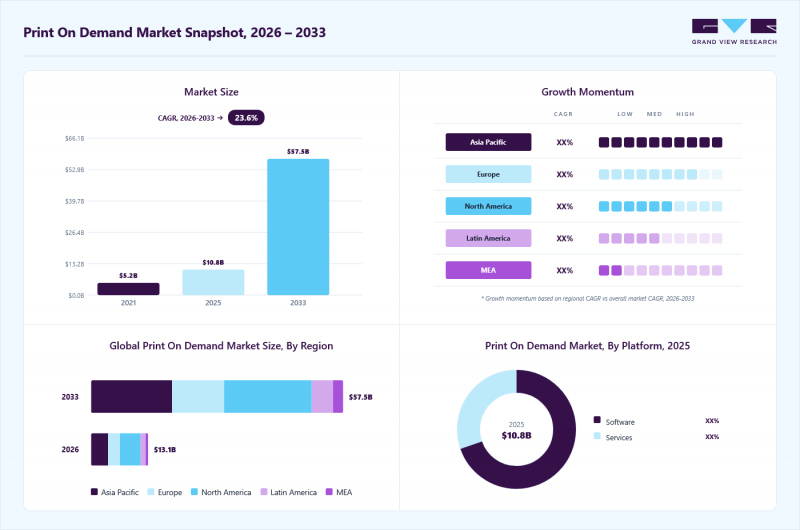
The global print-on-demand market reached $10.8 billion in 2025 and is on pace for a 23.6% compound annual growth rate through 2033, according to Grand View Research. That kind of growth isn't a fashion cycle. Owning production eats cash and headcount that a small team doesn't have, and letting a specialist handle it frees up both.
The same logic extends past merch into how orders leave the building. Comparing shipping software against whatever a team is currently doing by hand usually turns up a process nobody needed to own in the first place.
They price from real margin, not a guess
A product can look profitable on a spreadsheet and still lose money once shipping, payment fees, and returns get factored in, and most sellers never run that math before setting a price. Before listing anything new, a few minutes with the Etsy calculator shows the margin that's actually left after fees, not the one that looked good in a pricing meeting.
WebMedic's audit of more than 80 Shopify stores found that 70% of owners underestimated their true product costs by 8% to 15%. That gap is small enough to miss on any single order and large enough to erase a quarter's profit once volume scales past a few hundred units a month.
The same five minutes matters on a marketplace listing or a wholesale quote, not only a print-on-demand product. Margin math done once, before a price goes live, beats margin math done in a panic after a bad month.
They review the numbers every week, not once a quarter
Quarterly reviews are too slow to catch a supplier delay, a shipping-rate hike, or a channel that quietly stopped converting. By the time any of that shows up in a deck, the damage has already compounded for three months. Teams that stay ahead of it check fulfillment times, return rates, and per-channel margin on the same day every week, in the same format, so drift is visible while it's still small.
Most of this doesn't require new software, just a standing meeting and a shared view of numbers that already exist somewhere. When a team does want a shared dashboard, comparing team management software first beats copying whatever a competitor happens to use.
A store that catches a four-point dip in fulfillment speed during week one can trace it to a single carrier and fix it before it touches a hundred orders. The same store waiting on a quarterly report finds the same problem after it has already touched thousands.
Where to Start
None of this requires a bigger team or a bigger budget. It takes deciding that scheduling, training, production, pricing, and review cadence deserve the same attention as the marketing calendar, because neglecting them compounds just as fast. Pick whichever one is costing the most right now and fix it before adding anything else.
A new hire, a new SKU, or a new ad campaign will underperform if the operation underneath it is still guessing.
Comparing scheduling, training, and operations software one browser tab at a time burns the same hours a badly onboarded quarter does. TechRaisal lists real user reviews across categories like team management, time tracking, and HR software side by side, so a team can shortlist the right tool in an afternoon instead of a month. Browse the category costing you the most this quarter and compare options before your next hiring cycle.
Post Comment
Share your thoughts about this article.
Be the first to post a comment!