High turnover, rising guest expectations, and binders of outdated SOPs leave managers scrambling. Training tools should feel as intuitive as Instagram, not like a 1990s intranet.
We reviewed more than 20 hospitality learning platforms against real hotel and restaurant pain points. The eight that scored highest blend day-one simplicity with long-term compliance muscle, so you can onboard faster and keep guests smiling—without deciphering clunky software.
Ready to upgrade your team’s know-how? Here’s what we found.
How we picked the eight winners
We sifted through more than 20 hospitality training software options and judged each one against the day-to-day realities of hotels and restaurants, not a generic corporate checklist.
First, we weighted the factors frontline managers mention most: an intuitive interface and smooth learner experience carried the heaviest load, followed by hospitality-specific features, engagement strength, integration-ready scalability, and finally pricing plus vendor support.
To stay objective, we mirrored a published scoring split that experienced buyers recognise: 40 percent features, 30 percent ease of use, and 30 percent value. Tools that shined in usability yet lacked food-safety content dropped in the rankings, while platforms packed with analytics but requiring weeks of configuration never made the cut.
The outcome is a ranked Top-8 that balances day-one simplicity with long-term compliance strength, helping you train faster today and scale tomorrow.
1. GoSkills LMS: simple by design, powerful in practice
Open the dashboard and you can see what sets GoSkills apart: nothing hides behind jargon or maze-like menus. A first-time manager builds a course in minutes, drags in a short video, and pushes it to every bartender on tonight’s shift before the dinner rush starts.
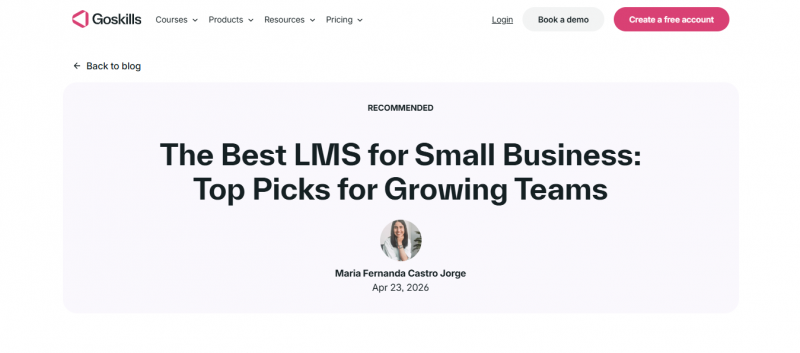
GoSkills LMS dashboard for hospitality staff training.
That ease shows in the data. On G2, verified users give GoSkills a 4.8-star rating (February 2026), one of the highest scores in the corporate LMS category, and current software guides consistently include it among the best user friendly LMS options for teams that need speed without complexity.
Behind the clean surface, the platform combines three tools: a lightweight LMS, an experience-focused LXP, and an AI course builder called Genie. Upload a PDF of your standard operating procedure and Genie turns it into bite-sized lessons complete with quizzes and micro-certificates.
Pricing is straightforward. Small teams can start free; paid plans begin at about $9 per user each month with no setup fees. Licenses adjust with seasonal staffing, so you pay only for active learners.
Ideal fit: independent hotels and multi-property groups that want consumer-grade simplicity without giving up reporting, SCORM support, or multilingual delivery. If you prefer staff spending time with guests instead of deciphering software, GoSkills earns the top spot.
2. TalentLMS: quick-start training that scales with your footprint
Sign up during your morning coffee and, by lunch, every new hire across three properties has an onboarding path in their inbox. That is the promise TalentLMS delivers for hospitality training software teams.
The interface guides you through course creation with a friendly checklist. Drop in a PDF of your SOP, add a few quiz questions, choose the “housekeeping” branch, and you are done. Branch management is the secret weapon: each location gets its own sub-portal and reports while brand standards stay locked at the corporate level. Whether you run a boutique hotel or a 40-site franchise, admin overhead stays light.
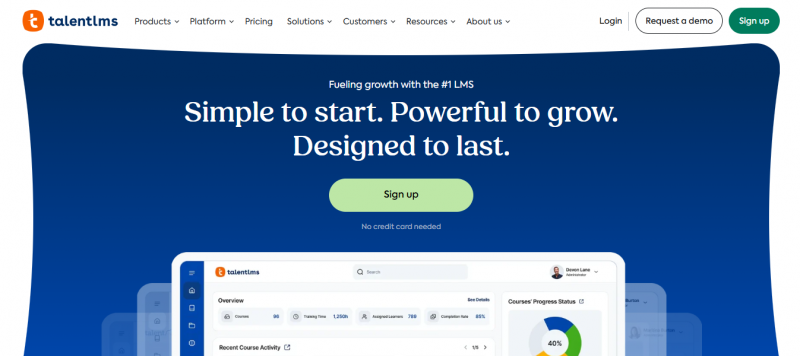
TalentLMS branch management for multi-property hospitality training.
Learner engagement holds steady thanks to built-in gamification. Points, badges, and leaderboards turn food-safety refreshers into friendly competition. Multiple languages work out of the box, so a Spanish-speaking kitchen crew progresses as smoothly as the English-speaking front desk.
Pricing stays transparent. A free tier covers tiny teams, while the first paid plan starts around $89 per month for 40 registered users. Upgrading is as simple as flipping a switch when peak season arrives.
Choose TalentLMS when you want to launch today and trust that the same tool will still serve you after the next five properties come online.
3. Opus: mobile micro-learning that feels like a chat with your GM
Scroll, tap, swipe, and your team is training. Opus borrows the muscle memory of social apps to deliver lightning-fast hospitality training software lessons. Content arrives as short chat-style cards on each employee phone. In five minutes a server knows the new brunch menu and has passed the quiz.
Opus mobile chat-style microlearning for restaurant and hotel staff.
That snack-sized design produces results. Restaurant groups report completion rates above 90 percent, a figure desktop LMS vendors rarely match. With annual turnover around 80 percent in many venues, every finished module saves a manager from repeating instructions on the floor.
Building content is just as quick. Type plain text or drop in a phone video and publish instantly. Need Spanish? Flip the auto-translate toggle and Opus serves the right language to every learner. Push updates like news alerts so a revised allergy protocol reaches all shifts before doors open.
Opus also respects offline reality. Staff download lessons on Wi-Fi, finish them without coverage, then sync when they reconnect. This flexibility helped Shipley Do-Nuts reach 80 percent training completion, roughly 60 percent above the industry benchmark.
The trade-off: deep certifications, multi-step curricula, and granular analytics are still in progress. If your priority is getting critical know-how onto every phone without delay, Opus feels more like texting a supervisor than using traditional software.
4. Typsy: a streaming-style library your bartenders will binge
Think Netflix, but every title builds a hospitality skill. Typsy’s catalog now holds more than 1,800 video lessons (March 2026), from latte art to revenue-management math. Each clip runs under 10 minutes and features industry pros who speak the language of the floor, not e-learning theory.
Typsy Netflix-style hospitality training video library interface.
For operators with lean L&D staff, this hospitality training software provides ready-to-assign content. Launch the “Responsible Alcohol Service” pathway, and Typsy tracks completion so your liquor-license file stays audit-ready without a single slide deck created in-house.
Lightweight LMS controls sit on top of the library. Managers build playlists, lock progress with quizzes, then watch certificates roll in on a clean dashboard. Staff value the mobile app because it remembers their place, offers subtitles in multiple languages, and awards shareable digital badges the moment they pass a quiz.
Pricing mirrors consumer streaming. Small teams can start with an individual plan, while business tiers use per-user annual fees that cost far less than filming your own content. Many venues find that buying Typsy beats paying overtime for trainers.
Choose Typsy when you prefer to curate strong content rather than produce it, and when raising service standards across bar, kitchen, and front desk feels daunting with internal resources alone.
5. Innform: hospitality DNA built into every screen
Unlike generic corporate platforms, Innform hospitality training software starts with topics hotels actually need. From the first login you see course templates titled “Room cleaning SOP” and “Food hygiene Level 2,” so setup takes minutes instead of hours.
Admins like the clear workflow: a wizard captures property name, roles, and languages, then assigns multilingual safety modules to housekeeping while the front desk receives upselling tips. Automated expiry reminders keep compliance on track and reduce audit stress.
Integrations matter. Innform’s open API connects to popular HR and scheduling tools, so every new hire lands in the correct path without manual imports. As one HR manager noted, “Innform removes the cumbersome steps that add no value to an LMS and focuses on a smooth experience.”
Pricing stays friendly. You pay only for active learners, about £1–£4 per user each month, so seasonal properties avoid paying for dormant accounts. A responsive support team helps non-technical managers with branding tweaks and reports in real time.
Choose Innform when you need a purpose-built LMS that speaks hospitality, covers compliance without spreadsheets, and plugs into the systems you already trust.
6. Flow Learning by MAPAL: compliance and culture in one connected hub
If you want hospitality training software that unifies scheduling, HR, and learning, Flow fits the bill. Because it lives inside the broader MAPAL OS, training data moves alongside labour schedules, performance reviews, and even recipe costing.
Consistency comes first. Corporate builds a food-safety module once, and every pub, café, or hotel in the group receives the same interactive lesson. Progress rolls up to area managers in real time, so no venue slips through an audit.
Learners see a gamified interface packed with scenario videos and quick-fire quizzes. Points add up, leaderboards spark friendly rivalry, and certificates drop straight into each employee record. The MAPAL One mobile app also caches courses offline, letting basement kitchens finish modules without hunting for Wi-Fi.
Flow ships with more than 250 hospitality courses covering HACCP, allergen awareness, age-restricted sales, and beer-pouring skills. You can upload SCORM packages too, but most clients report the native catalogue meets 80 percent of daily needs.
Pricing is quote-based, usually £3–£5 per active user each month, with bundle savings if you already use MAPAL for rotas or payroll. Implementation support is hands-on, a relief when rolling out to dozens of sites on a tight timeline.
Choose Flow when you want ready-made compliance content, built-in gamification, and the efficiency of running training on the same platform that powers the rest of your back office.
7. EdApp (SC Training): phone-first micro-courses that drive 90 percent completion
Open EdApp on any staff smartphone and the TikTok vibe is clear. Lessons appear as bite-sized slides you tap through in seconds, while quizzes surface like Instagram stories, rewarding perfect streaks with confetti and badges. The result: EdApp reports completion rates above 90 percent for frontline teams, far beyond traditional LMS norms.
Hospitality operators value the built-in course library that covers food safety, service recovery, upselling, and dozens of compliance topics. Need an Allergen Awareness refresher before the summer rush? Search, assign, and you are done. Because SafetyCulture owns EdApp, this hospitality training software also links training with the company’s inspection app, creating a tight loop between learning and on-floor audits.
Authoring new content stays just as quick. Drag in images or short videos from your phone, type a few bullet points, and the template engine handles layout, navigation, and gamified quizzes. Managers without instructional-design experience can publish a polished micro-course during a lull between lunch and dinner service.
Pricing follows a freemium model. Small venues train up to 10 users at no cost; paid tiers unlock analytics, branding, and larger head counts while staying budget-friendly. For cash-strapped independents, that low barrier removes the last excuse to postpone structured training.
Choose EdApp when you want a mobile experience that feels native to deskless staff, crave ready-made hospitality content, and like the bonus of linking lessons with real-time workplace inspections.
8. Trainual: SOP playbooks your managers can build in one afternoon
When you need hospitality training software that captures every process in one searchable place, Trainual steps in. No flashy gamification or giant video library—just a reliable way to show every employee has read the right steps.
Think of it as Google Docs combined with checklist tracking. Managers drag and drop text, photos, or screen recordings into bite-sized topics, link them into role-based subjects, then hit publish. The interface feels closer to Canva than to legacy LMS dashboards, so tech-shy franchise owners pick it up quickly.
Trainual shines in operational detail. Document the exact three-sink dishwashing method or the nightly cash-out routine, then add a quiz question or two. Completion records sit in tidy spreadsheets you can hand to auditors or franchise field reps.
Trade-offs are clear. You will not find automated compliance expiries or ready-made food-safety content. But if your biggest pain is institutional knowledge walking out the door with departing staff, Trainual locks that know-how into a living handbook everyone can open on phone or desktop.
Pricing starts around $349 per month for 50 users, a sensible spend for multi-unit groups that want a single source of truth more than multimedia extras.
Choose Trainual when process consistency is the battle you must win and you need managers—not full-time instructional designers—to own content creation.
Post Comment
Share your thoughts about this article.
Be the first to post a comment!