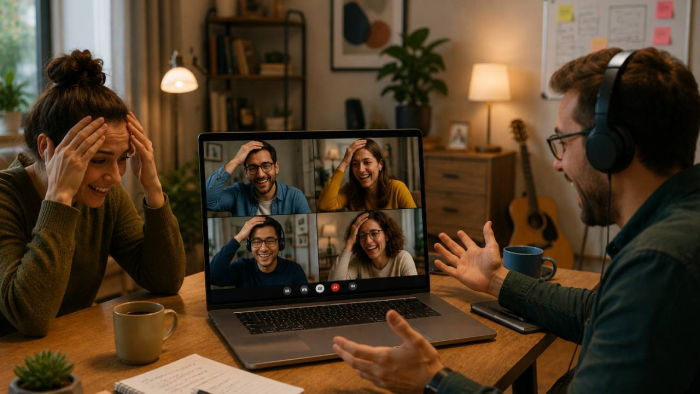
Live streaming takes many forms, from you sharing a personal experience such as a concert to breaking down lengthy games in great detail for your followers.
Each streaming type requires different performance from your internet connection in terms of speed, latency, and bandwidth. If they’re not met, it’s going to go from live streaming to live screaming.
In this article, I’ll give you a breakdown of the required internet performance across these metrics for different types of streaming. Here is what we’ll cover:
What Are Speed, Latency, and Bandwidth?

Speed, latency, and bandwidth are the 3 criteria you should evaluate to choose the best internet provider. Here’s what each of them entails.
Internet Speed
Internet speed has two components: download and upload speed. Upload speed is how quickly your device sends data over the internet, whereas download speed is the rate at which it downloads data.
Both are measured in either Mbps (megabits per second) or Gbps (gigabits per second) depending on your connection type and provider. For live streaming, your upload speed is the more important metric.
Latency
Latency is the rate at which data travels from your device to a server and back. It is measured in milliseconds and the lower it is the better, since a higher latency could lead to time delay.
Bandwidth
Bandwidth is the maximum amount of data that can be transferred over your internet connection during a specific time. The higher it is the better as it supports higher resolutions, better frame rates, and prevents interruptions.
With a clear idea of what these metrics are and why they matter, you’ll better understand the minimum requirements for each that are shared ahead.
Internet Performance Benchmarks by Streaming Type & Platform
As mentioned earlier, there are multiple forms of streaming, each with unique internet performance requirements. Additionally, the platforms you’re live streaming on also have specific requirements for speeds and minimum resolutions, adding to the requirements from your internet connection.
Considering both these factors, this section takes a step-by-step look at the demands for each, with the following live streaming platforms being explored.
● YouTube Live
● TikTok Live
● Instagram Live
● Facebook Live
● Twitch
Let’s dive in.
YouTube Live
● For 720p and 30 fps: an upload speed of 5 to 8 Mbps works.
● For 1080p and 30 fps: aim for 8 to 12 Mbps upload speed.
● For 1080p and 60 fps: you can smoothly live stream with 12 to 20 Mbps upload speed.
Ideal for:
● Webinars
● Podcasts
● Gaming
● Events
● Classes
TikTok Live
● For 720p and 30 fps: start with an upload speed of 5 to 8 Mbps.
● For 1080p and 30 fps: an upload speed of 10 Mbps or more will be sufficient.
Ideal for:
● Gaming
● Casual Chats
● Live Shopping
● Lifestyle Content
● Short Education
Instagram Live
● For 720p and 30 fps: an upload speed of 5 to 8 Mbps allows comfortable live streaming.
● For 1080p and 30 fps: an upload speed of 8 to 12 Mbps is enough to support advanced setups.
Ideal for:
● Q&A
● Short Classes
● Product Promos
● Interactive Sessions
● Casual Audience Engagement
Facebook Live
● For 720p and 30 fps: target an upload speed of 5 to 8 Mbps.
● For 1080p and 30 fps: an upload speed of 8 to 12 Mbps allows smooth live streaming.
● For 1080p and 60 fps: for advanced live streaming, an upload speed of 12 to 20 Mbps works.
Ideal for:
● Branding
● Live Selling
● Local Events
● Community Building
● Business Broadcasts
Twitch
● For 720p and 60 fps: an upload speed of 4.5 to 6 Mbps is a good starting point.
● For 1080p and 60 fps: an upload speed of 8 to 12 Mbps is required at the minimum.
Ideal for:
● Music
● E-Sports
● Live Gaming
● Community Chats
Time for the final piece of the puzzle: what internet connectivity type can help you support the live-streaming needs shared? Let’s find out in the next section.
Internet Connectivity for Live Streaming – Ensuring Performance Benchmarks
For live streaming, your best bets are cable and fiber internet, as they offer better upload speeds compared to other forms of connectivity such as 5G home internet or satellite internet. If interested, you can compare and explore cable and fiber plans on LocalCableDeals.
Here’s why both of them are your top choices.
Fiber Internet
Fiber is the most well performing form of internet connectivity, with symmetrical speeds and extremely low latency. Its only drawback is its availability being limited to mostly urban areas, as the high cost of infrastructure development for smaller rural populations doesn’t justify the small returns.
Here’s the speed and latency you can expect from a fiber connection.
● Download & Upload Speed: Up to 8 Gbps
● Latency: 5 to 15 ms
Cable Internet
Cable internet’s core plus point is its extensive availability across the country, making it a reliable choice in areas where fiber isn’t available. While the upload speed and download speed are not symmetrical, they’re enough to support most forms of live streaming.
Below is the performance you can expect with a cable internet connection:
● Download Speed: Up to 2 Gbps
● Upload Speed: Up to 50 Mbps
● Latency: 15 to 35 ms
Time to Go Live
Live streaming is a potentially rewarding way to make an income as long as your internet connection continues to provide a solid foundation with fast speeds, high bandwidth, and low latency.
Both cable and fiber can serve your purpose, as each is able to surpass the minimum requirements of different live streaming platforms, allowing high resolutions and uninterrupted live broadcasting.
Choose a plan from either, and then it’s time to go live and make your mark in this rapidly growing industry.
Post Comment
Share your thoughts about this article.
Be the first to post a comment!