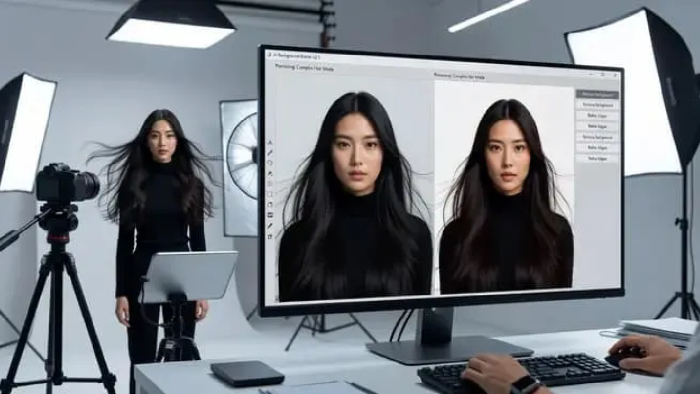
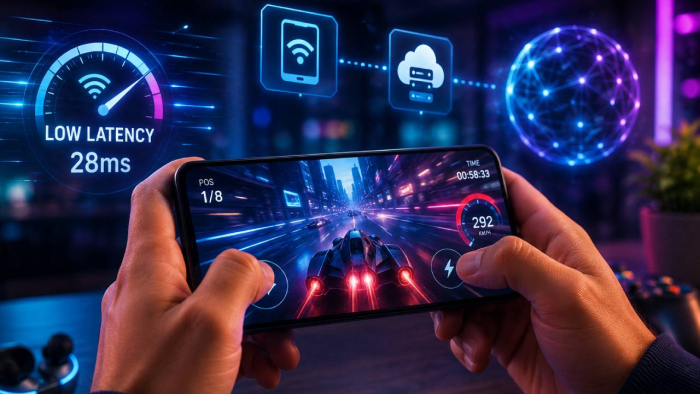
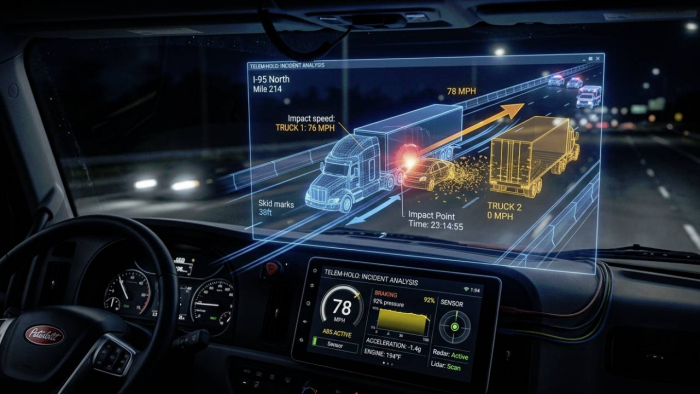
Scroll through any feed and you'll see the problem: static content doesn't stop thumbs anymore. Consumers pause for video—dynamic, authentic, emotionally resonant. They expect it from every brand, consistently.
Video has emerged as the undisputed champion of engagement. Platforms built around short-form video content dominate social media, and the data tells a compelling story: video posts generate significantly higher engagement rates, longer viewing times, and stronger conversion metrics than their static counterparts. The message is clear: brands that don't embrace video storytelling risk fading into irrelevance.
_1776237750.jpg)
Traditional video production is expensive. It demands big budgets, specialized teams, and weeks of coordination. Small businesses can't compete. Even well-funded teams struggle to produce enough content for multiple platforms and audiences.
This production bottleneck creates a paradox: the medium most effective for engagement is also the most difficult to scale. Brands face an impossible choice between maintaining quality or meeting quantity demands. Until now, compromise seemed inevitable.
_1776237800.jpg)
The AI Revolution in Content Creation
AI is dismantling these barriers. Advanced systems—powered by text-to-video and image-to-video models like HappyHorse 1.0—can transform simple inputs into sophisticated visual content with fluid, cinematic motion. Professional-grade production is now accessible to organizations of any size. The technology doesn't just automate workflows; it reimagines what's possible in digital storytelling.
Modern AI video tools like Topview's AI Avatar offer capabilities that seemed impossible just years ago. They generate realistic human-like presenters, synchronize complex facial expressions with audio, and adapt visual styles to match brand guidelines, all without cameras, studios, or actors. What once required a production crew can now be accomplished by a single marketer with a compelling message.
The implications extend beyond cost savings. This democratization of video production enables experimentation at scale. Brands can test multiple creative approaches, personalize content for specific audience segments, and respond to market trends with unprecedented agility. The creative process shifts from resource-constrained to imagination-constrained.
From Concept to Cinematic Content
The workflow represents a paradigm shift in content creation. A marketer begins with foundational assets most brands already possess: product images, brand photos, or conceptual visuals. These static elements become the raw material for transformation.
Through intuitive interfaces, users define the narrative. Upload scripts, select voice characteristics, customize visual styles. Built on motion synthesis technology like Seedance 2, the AI generates lifelike avatars, animates expressions with natural fluidity, synchronizes speech, and renders professional-quality output—delivering motion quality that rivals traditional filming.
Within hours, what began as a simple image emerges as a cinematic video ready for deployment across digital channels. The same core content can be adapted into multiple variations, each optimized for different platforms, audiences, or campaign objectives. A single creative concept cascades into dozens of tailored executions.
_1776237857.jpg)
Strategic Advantages for Modern Marketers
Speed becomes a weapon. Launch campaigns during cultural moments. Respond to competitors. Capitalize on trends before they fade. The traditional lag between idea and execution disappears.
Resource allocation transforms entirely. Marketing budgets stretch further when video production costs drop dramatically. Teams redirect savings toward strategy, distribution, and experimentation rather than production logistics. Small organizations compete on creative merit rather than financial firepower.
Consistency strengthens brand identity. The same avatar personality can represent a brand across all touchpoints, creating familiarity while allowing for customization. Global brands adapt a core visual identity to resonate with local markets, maintaining recognizability while demonstrating cultural sensitivity.
Data informs creative evolution. When producing video becomes frictionless, marketers can test variations scientifically. Performance metrics reveal which messaging approaches resonate, which visual styles capture attention, and which narrative structures drive action. Creative development becomes an iterative, evidence-based process.
_1776237878.jpg)
The Path Forward
We're at an inflection point. AI video tools are production-ready and business-critical. Organizations that adopt them gain advantages competitors can't easily replicate: more stories, more audiences, faster response to market shifts.
The question isn't whether to adopt these capabilities, but how quickly. As AI video tools become standard in marketing technology stacks, early adopters establish advantages in both capability and experience. They learn what works, refine their approaches, and build libraries of engaging content while others remain locked in traditional production cycles.
Your brand has stories worth telling. The technology to tell them cinematically, consistently, and cost-effectively now exists. The only remaining barrier is the decision to begin.
Post Comment
Share your thoughts about this article.
Be the first to post a comment!