Meta ads continue delivering enormous reach potential. Yet, broad reach without meaningful targeting wastes your budget completely. You may generate many impressions, but conversions remain poor when inappropriate audiences view your advertisements.
Better audience segmentation has become more crucial than ever. Reduced third-party data access and increasing privacy limitations make random audience targeting too expensive to sustain. You need precision backed by real behavior, and here's how to achieve that.
Why Your Meta Campaigns Require Improved Audience Targeting
Meta and comparable advertising platforms offer audience segmentation features through several aspects, such as behaviors, demographics and user interests. However, these indicators provide only limited parts of the complete picture. A user who likes fitness pages isn't guaranteed to buy activewear. Someone who clicks your ad might never convert. What you need here is intent — real, measurable buying intent.
Below are some reasons why your Meta ads need smarter segmentation today and how to make it happen:
1. Broad Audiences Waste Ad Spend
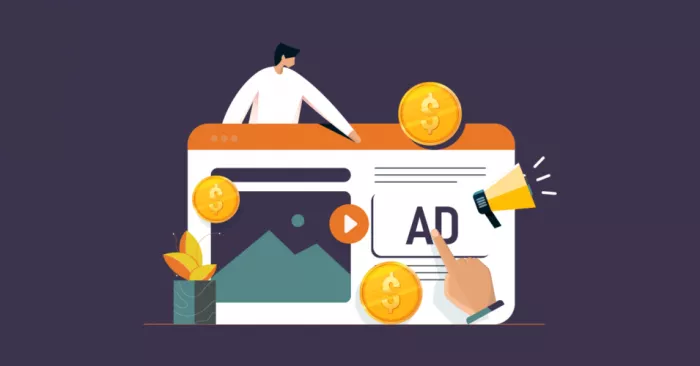
Large, generic audiences look good on paper. But in practice, they burn through your budget. Meta's default settings often cast a net that is too wide. For example, targeting "people interested in fashion" could include millions who never actually spend in that category. With smarter segmentation, you shift focus to those who buy, not just browse.
2. Interests Aren't Intent
Meta lets you target users based on their page likes, or ad interactions. But those signals can be shallow. Someone might like a home décor page but hasn't made a purchase in months.
On the other hand, transaction data shows who spends money in that vertical. By segmenting based on spending behavior, you go beyond soft signals to real intent.
3. Lookalike Audiences Need Better Seed Data
Lookalike audiences work if your seed list is strong. However, when your source audience includes random leads or low-value customers, your results can be inaccurate.
Smart segmentation starts with cleaning up your data. Instead of uploading every email on your list, use professional tools to isolate high-spending, repeat buyers. That's the seed list that fuels better results.
4. Retargeting Needs Prioritization
Not all visitors deserve a follow-up. Some bounce in seconds, while others stay and add items to their cart. Without proper segmentation, you can end up treating them all the same.
More intelligent segmentation allows you to retarget based on value. For example, someone who spends $500/month in your category should see a VIP offer. Someone who just browsed can wait. Thus, prioritize wisely and spend efficiently.
5. Privacy Changes Make Old Segments Less Reliable
Apple's ATT rollout and cookie restrictions have changed the game. Pixels and tracking data no longer give you the full picture. That's why segmentation based on browser activity is losing value. Instead, credit card purchase data gives you stable, reliable insights. Even without pixel tracking, you can segment users by who's actually buying in your space.
6. Ad Frequency Doesn't Equal Engagement
Meta's algorithms might show your ad five times to the same person. But frequency alone doesn't mean interest. Dynamic segmentation helps you shift focus to quality, not just quantity. If a user fits the profile of a frequent beauty shopper, one impression could be enough. You save money and drive faster conversions by reaching the right user.
7. Budget Allocation Gets Smarter with Better Segments
Categorizing audiences by true intent helps you allocate your budget more effectively. For instance, if one segment converts at 3x the rate of another, you can double down there. GoAudience allows this kind of segmentation by transaction type, category, or buyer behavior. The result is less waste and more growth.
8. Personalization Improves Performance
Basic ads fail to deliver results nowadays. Improved segmentation lets you connect messaging with actual behaviors. Someone who buys expensive coffee brands regularly should see luxury lifestyle advertisements.
People shopping at budget grocery chains need value-driven messages instead. Thus, personalization builds meaningful relevance. Connecting appropriate messages to the correct audiences at optimal moments drives results through relevance.
9. Campaign Testing Gets More Precise
You can't test effectively without clean segments. Your A/B test results become unclear when audiences overlap excessively or miss distinct intent indicators.
With behavior-based segmentation, you isolate high-intent buyers and compare creative with confidence. For example, test two offers on frequent spenders in the pet category and see which one moves the needle.
10. High-Intent Buyers Deserve Better Journeys
These users form your company's greatest asset. They purchase more, convert quickly, and rarely leave. However, mixing them with broad audiences prevents you from offering exclusive treatment.
Improved segmentation develops personalized journeys from Meta ads to follow-up emails that preserve their commitment. This strategy creates lasting business expansion.
Conclusion
Meta advertisements deliver results, but only when they reach appropriate audiences. Weak audience division keeps you paying for impressions that never turn into sales. Using actual buying patterns to divide your audience improves your targeting precision, strengthens your messaging, and maximizes your advertising budget. Go beyond demographics and use the custom audience platform for your Meta ads to turn intent into action
Post Comment
Be the first to post comment!